PLANNING
Nepal Trekking Cost, Difficulty & Crowds: What Real Trekkers Ask (Honestly Answered)
July 29, 2026
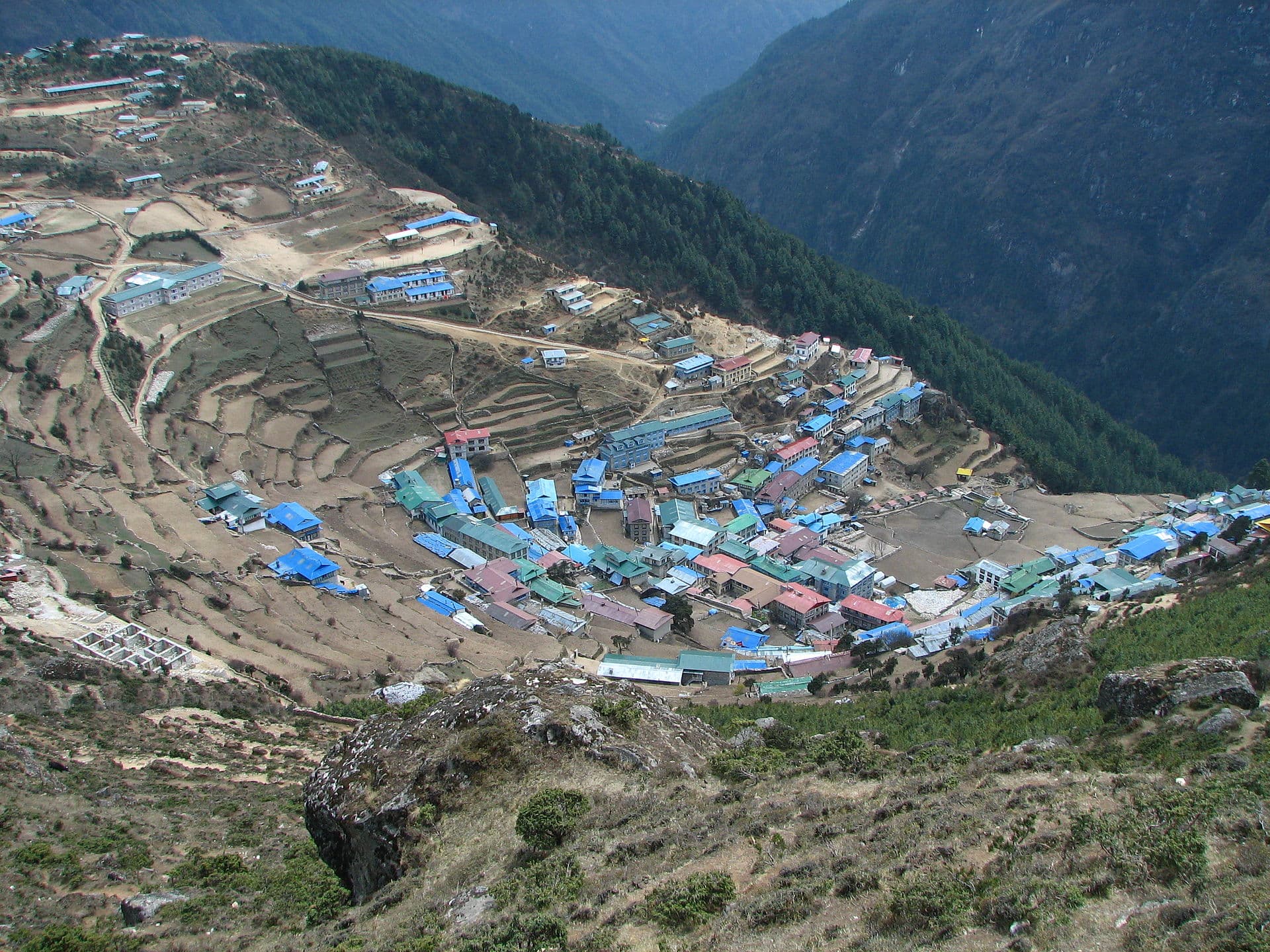
Spend enough time reading trekking forums and you'll notice the same handful of questions come up again and again, almost word for word: which trek should I do, how much will it actually cost, how hard is it day to day, and will I be sharing the trail with three hundred other people. We recently went through a long trekker discussion thread built around exactly this brief — someone planning a two-week December trip, wanting big mountain views, nothing too technical, and not too crowded — and the replies from people who'd actually done these treks were more useful than most marketing pages, ours included. So instead of another polished pitch, here's an honest rundown built around what real trekkers actually reported.
Which Trek Should You Choose?
The 'which trek' question rarely has a clean answer, and the thread proved it — recommendations ranged across Everest Base Camp, the Annapurna region, the Gokyo Valley, Manaslu, and Upper Mustang, often from people who'd done more than one and ranked them differently. What came through clearly is that Everest Base Camp and the classic Annapurna routes remain the two default answers for a reason: excellent infrastructure, well-marked trails, and mountain views that live up to the hype. But several experienced voices pushed back on treating either as the automatic choice, especially for trekkers who specifically want fewer people on the trail.
That pushback centered on a real and recurring theme: overtourism on the busiest sections of Annapurna and Everest. Multiple trekkers described paved sections of trail, western-style food and coffee available at altitude, and — a genuine, frequently repeated complaint — helicopter noise disrupting the quiet near Everest Base Camp, from both rescue flights and scenic tours. Others pushed back that this gets exaggerated in places, and that the two regions are on opposite sides of the country entirely, so 'westernised' Annapurna and helicopter noise near Everest aren't really the same complaint. Both things can be true at once: the main trails are genuinely busier and better-serviced than they were a decade ago, and that convenience is exactly why some trekkers now specifically seek out quieter alternatives instead.
Quieter Alternatives to the Big Two
Which is where Manaslu, Upper Mustang, and Dolpa kept coming up as the answer to 'give me something with fewer crowds.' One trekker described Upper Mustang as feeling like Nepal decades ago — raw, sparsely visited, with basic teahouses and long stretches of high-desert landscape rather than polished lodges. Others pointed to the Manaslu Circuit for a similar trade: real cultural depth, dramatic scenery, and noticeably fewer trekkers, without needing the restricted-area logistics that Upper Mustang and Dolpa require. We'd add Phoksundo Lake in Dolpa to that same list — it's the quietest, most remote trek we run, and the trade-off is the same one that came up repeatedly in the thread: less infrastructure, more permit paperwork, and camping rather than teahouses, in exchange for a landscape that barely sees another trekking group in a given week.
What Real Trekkers Actually Paid
On cost, the thread was genuinely more useful than most published guides, precisely because the numbers came from people who'd actually paid them rather than from a rate card. One trekker who did Everest Base Camp plus the Three Passes route back in 2016, before the guide mandate existed, reported spending roughly $20 to $30 a day excluding flights and permits, without hiring a guide or porter at all. More recent, post-2023 accounts — now that a licensed guide is legally required — put a guided 12 to 14 day trek with guide, porter, permits, and teahouse accommodation somewhere in the $1,200 to $1,500 range through an agency, with one trekker reporting roughly $2,250 plus tips for a two-week Everest Base Camp trip that included a helicopter return flight to save time on the way down. Treat these as honest ballparks from people who've actually walked the trail, not quotes — season, route, group size, and whether you fly back or walk out all move the number, so always ask any operator for an itemized breakdown rather than a single headline figure.
How Hard Is It, Really?
Difficulty came up in almost every comment, and the details lined up with what we tell our own clients. Daily walking hours in the four-to-seven-hour range, steep stone steps, and cold evenings were the consistent description across Everest, Annapurna, and Manaslu alike, with one trekker giving Annapurna Base Camp specifically as four to six hours a day, some steep climbs, and a top altitude of around 4,130m — moderate, not extreme, and manageable by most reasonably fit trekkers. Altitude, though, was flagged repeatedly as the one variable fitness doesn't fix: several people specifically credited acetazolamide (commonly known by the brand name Diamox) with helping them acclimatize, while others noted that trekkers who skipped it seemed more likely to report symptoms. It's worth being clear that this is a prescription medication and a conversation for your own doctor before departure, not a substitute for a properly paced itinerary — our guides treat a slow ascent profile as the real foundation, with any medication as something to discuss with a physician on top of that, not instead of it.
December specifically came up often, since it's exactly when the original poster was planning to travel, and the reports were consistent: quieter trails than peak autumn, colder nights, and a real question over how high you can comfortably go. Lower routes like Annapurna Base Camp or Poon Hill stay reasonably manageable with good layers, while a full high-altitude crossing gets noticeably colder and requires proper cold-weather gear and a guide who's watching conditions closely. One trekker who tried a higher route in January found it too cold for comfort and switched to a lower-altitude trek plus city time in Pokhara instead — a sensible trade if your travel dates land in the coldest stretch of the year and you're not equipped for serious winter camping temperatures.
Porters came up as a smaller but recurring side debate — a few trekkers who'd done long, tough routes said they'd skip a porter next time and just carry their own kit, while others found a porter made a genuinely enjoyable difference on longer days. There's no universally right answer here: a porter costs relatively little compared to the rest of the trip and can meaningfully change how much you enjoy the walking itself, especially past ten or twelve days, but plenty of fit trekkers on shorter routes are entirely comfortable managing their own daypack. One useful habit mentioned in the thread, and one we'd second, is researching the actual daily distance and cumulative elevation gain for whichever trek you're considering and comparing it honestly against hikes you've already done, rather than guessing at difficulty from a 'moderate' or 'challenging' label alone.
Porters, Group Size, and Cost
Group size versus private trekking was another cost variable worth pulling out on its own, since it explained some of the spread in numbers people reported. Joining a small group trek generally brings the per-person daily cost down, since guide and porter fees, and sometimes transport, are shared across everyone on the trip, while a private or custom itinerary for one or two people costs more per day but buys flexibility on pace and rest days. Neither is objectively the 'right' choice — it's really a question of whether shared cost or full schedule control matters more to you on this specific trip.
What's Changed Since 2023
It's also worth flagging what's changed since some of the older, frequently-cited experiences in threads like this one. Independent trekking without a guide, which several long-time trekkers described doing in 2016 or earlier, is no longer an option anywhere in Nepal's mountain regions and national parks — a licensed guide has been compulsory for every foreign trekker, solo or in a group, since April 2023. If you're reading trip reports from before that date for cost or logistics comparisons, factor in that a guide (and the cost of one) is now a fixed part of the equation regardless of your experience level.
Our Take
So, back to the original brief that kicked off the whole discussion: big views, not too technical, not too crowded, over about two weeks in December. Honestly, no single trek nails all three at their absolute best simultaneously — the biggest views tend to sit on the busiest routes, and the quietest routes trade some polish and views-per-day for solitude. But a well-timed December departure on Everest Base Camp, the Annapurna Circuit or Sanctuary, or the Manaslu Circuit gets close to all three at once, since winter thins the crowds on even the popular routes without requiring the extra permits and camping logistics of somewhere like Dolpa. If genuine solitude matters more to you than convenience, that's exactly when we'd point you toward Phoksundo Lake instead, cold season or not.
The honest takeaway from reading through dozens of real trekkers' experiences is that there isn't one universally correct trek — there's the one that matches what you're actually optimizing for, whether that's the single biggest mountain in front of you, the quietest possible trail, or the tightest budget. If you want to talk through your own priorities against a real, itemized cost and itinerary rather than another generic recommendation, that's the conversation we have with clients every day — get in touch and we'll build the trip around what you actually want out of it.